The birth of a child is a profound experience that not only changes one's life but also leaves a lasting mark on the body . Many women notice changes after pregnancy that don't fully reverse despite exercise and a balanced diet. The breasts lose firmness , the skin on the abdomen remains stretched, and the midsection feels different than before. What is initially perceived as temporary often proves to be permanent.
The desire to feel more comfortable in one's own body again is understandable and legitimate. But before considering surgical correction , the crucial question arises: When is the right time? montis medical, your private clinic for plastic surgery in Aachen , explains how you can find the right time for surgery.
Table of Contents
the essentials in brief
- Pregnancy permanently changes the breasts, abdomen, and skin.
- Once you have finished breastfeeding, your weight remains stable, and family planning is complete, is the ideal time for surgery.
- Depending on the initial situation, various interventions may be considered. An individual consultation will clarify what is appropriate.
What changes occur during pregnancy and breastfeeding?
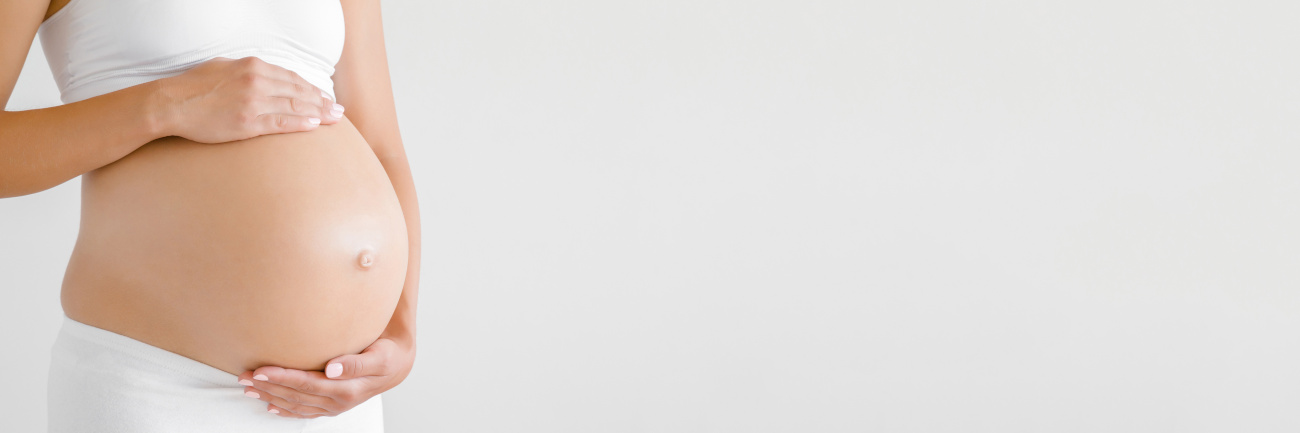
During pregnancy, the female body adapts to the needs of the growing child. These adaptations leave traces that remain visible for months or even years after birth . Hormonal changes , tissue stretching, and mechanical stress affect the breasts, abdomen, and skin in various ways.
Typical physical changes include:
- Breast sagging due to volume changes during pregnancy and breastfeeding, as well as the reduction of glandular tissue after weaning.
- Overstretching of the abdominal wall with sagging of the skin and weakening or separation of the rectus abdominis muscles (diastasis recti)
- Stretch marks on the abdomen, breasts, thighs and hips caused by tears in the connective tissue
- Stubborn fat deposits in the abdominal and hip area that cannot be specifically reduced through diet or exercise.
- Changes in skin structure with reduced elasticity and firmness
Not all changes disappear on their own. While mild stretch marks may fade over time, excess skin and sagging tissue often remain permanently. The quality of connective tissue, the extent of weight gain during pregnancy, and genetic factors influence how well the body regenerates. Exercise and a healthy diet support postpartum recovery but cannot correct structural tissue changes.
When is the right time for a procedure?
The timing of surgery after pregnancy should be carefully chosen. Deciding too early can negatively impact the outcome, as the body is still undergoing changes. Three key criteria determine whether the timing is favorable:
Breastfeeding should be completely finished . During breastfeeding , breast tissue changes continuously, and hormonal processes are still active. Surgery on the breast is only advisable once the tissue is stable and no further changes are expected. It is generally recommended to wait at least six months after weaning.
Body weight should be stable . Significant weight fluctuations negatively affect the surgical outcome. Anyone wishing to lose weight after giving birth should do so before the operation and maintain their target weight for several months. This is the only way to ensure long-term success.
Family planning should be complete . A subsequent pregnancy after a tummy tuck or breast lift can negate the results. Therefore, it is advisable to undergo surgical corrections only when no further pregnancies are planned.
Other important factors for an optimal result:
- General health and physical condition must allow for anesthesia and surgery.
- Realistic expectations regarding the outcome should be discussed with the treating physician.
- Sufficient time must be planned for the recovery phase, especially if small children need to be cared for.
- Support in everyday life from a partner or family should be available during the recovery period.
Which interventions are possible?
Depending on the type and extent of the changes, different treatments are possible. A consultation with a specialist will clarify which method is individually appropriate and what results are realistically achievable.
The most common procedures after pregnancy include:
- Abdominoplasty: Removal of excess skin and tightening of the abdominal muscles in cases of severely stretched abdominal wall or pronounced diastasis recti.
- Breast lift: Breast lifting and reshaping in cases of sagging tissue and a drooping nipple position
- Breast augmentation with implants: Restoring volume in cases of severe tissue loss after breastfeeding, often combined with a firming procedure.
In many cases, combining several procedures is advisable. The so-called Mommy Makeover, for example, combines a tummy tuck with breast augmentation. Whether a combined procedure is recommended depends on the patient's health, individual resilience, and the complexity of the planned procedures. A thorough preliminary examination and an honest assessment by experienced specialists are crucial.
At montis medical, we place great importance on comprehensive consultation that considers not only the aesthetic goal but also medical safety and individual circumstances. Our highly experienced specialists work according to the principles of systems medicine and use only high-quality materials. Follow-up appointments are included in the treatment price, ensuring you feel well cared for throughout the entire healing process.
Conclusion
The body needs time to recover after pregnancy. Those considering surgical correction should be patient and wait for the right moment. Breastfeeding has ended, weight has stabilized, and family planning is complete: these are the essential prerequisites for a safe and satisfactory result. A consultation with a specialist, adhering to high quality standards, will clarify which procedures are individually appropriate and how the desired result can be achieved sustainably. Experienced specialists and a holistic approach make all the difference.